Source Side Emitting Injection Led Modules for Signage
Find and compare 30 side emitting injection led modules designed for light boxes and signage. Evaluate specifications including IP67/IP68 waterproofing, 12V/9V options, and CE RoHS certifications to select the right components for your manufacturing needs.
Key considerations
Products List


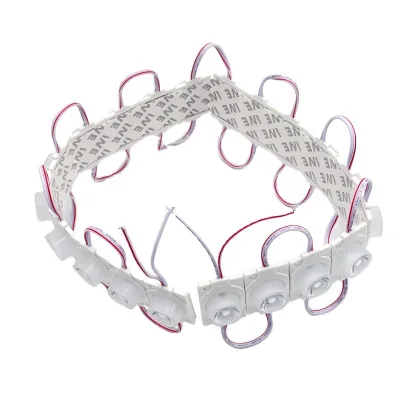


Comprehensive Sourcing Guide
Side Emitting Injection LED Modules Sourcing Guide
Procuring side emitting injection LED modules requires a precise understanding of optical geometry, electrical compatibility, and environmental sealing. These components are engineered to deliver light laterally rather than directly downward, making them essential for applications where uniform illumination of edges or specific surface areas is critical. Buyers must distinguish between standard surface-mount devices and specialized injection-molded modules that offer enhanced beam control and thermal management. The sourcing process involves evaluating physical dimensions, voltage requirements, and waterproofing ratings to ensure the selected modules integrate seamlessly into the final assembly, whether for signage, architectural lighting, or display backlights.
The market for these modules is characterized by a wide variance in specifications, from low-voltage DC options to higher power densities. Sourcing decisions should be driven by the specific thickness and depth of the target application, as well as the required brightness levels. Buyers need to verify that the module’s beam angle aligns with the optical design of the housing to prevent light leakage or uneven illumination. Additionally, the choice between different LED chip types and quantities per module directly impacts the overall system efficiency and longevity, necessitating a thorough review of technical datasheets before placing bulk orders.
Product Scope and Observed Listing Signals
The observed product landscape includes a variety of LED modules tailored for different signage and lighting applications. Listings indicate models such as the LED Module, MC9C1TB, M9S2FA, MC9A1EB, and MH903FG, each with distinct physical and electrical characteristics. For instance, some modules are designed for 12V operation with 2835 LED chips, while others operate at 9V or feature different power outputs. The physical dimensions vary significantly, with some modules measuring 7118mm10mm and others 4542mm8mm, reflecting their suitability for different installation constraints. Buyers should note that these variations are not merely cosmetic but dictate the mechanical fit and thermal performance within the final product.
Price points and minimum order quantities (MOQs) observed in the market range from $0.05 to $6.00 per unit, with MOQs starting as low as 20 pieces and extending up to 20,000. This wide range suggests that pricing is heavily influenced by customization, volume, and specific technical requirements such as waterproofing grade or beam angle. The presence of customization options indicates that suppliers are willing to adapt modules to specific client needs, which can be advantageous for unique design projects. However, buyers must be cautious when comparing prices, as lower costs may correlate with reduced brightness, shorter lifespans, or less robust waterproofing, requiring a careful balance between budget and performance expectations.
Technical Specifications to Verify
When evaluating side emitting injection LED modules, the voltage and LED chip type are primary technical considerations. Common specifications include DC12V and 9V operation, utilizing 2835 LED chips. The number of LEDs per module can vary, with options for 1, 2, or 3 LEDs, which directly affects the light output and power consumption. For example, some modules have a power rating of 0.3-0.5W per LED, while others are rated at less than 0.3W. Buyers must ensure that the selected voltage matches their power supply system and that the LED quantity provides the desired luminous flux, typically ranging from 130lm to 200lm per module, depending on the specific model and configuration.
Beam angle and waterproofing are critical for ensuring optimal light distribution and durability in various environments. Observed beam angles range from narrow spreads like 45*15 degrees to wide angles of 160 degrees, with some modules offering 170 degrees for broader coverage. Waterproof ratings are equally important, with IP67 and IP68 grades available, indicating protection against dust and water immersion. The working temperature range is typically specified as -10 to 60 degrees Celsius, ensuring reliable operation in diverse climatic conditions. Buyers should verify these parameters against their application requirements to avoid issues such as light spillage, inadequate illumination, or premature failure due to environmental exposure.
Compliance and Safety Documentation
Compliance with international safety and environmental standards is non-negotiable for LED modules intended for global markets. Certifications such as CE, RoHS, and TUV are commonly cited, indicating adherence to European safety, electromagnetic compatibility, and hazardous substance restrictions. Additionally, specific standards like EN62031-2018 for LED modules and EN62471 for photobiological safety are crucial for ensuring that the products meet regulatory requirements in key regions. Buyers must request valid certification documents from suppliers to verify that the modules have undergone rigorous testing and meet the necessary legal and safety benchmarks for their target markets.
Beyond certifications, buyers should also consider the warranty terms provided by suppliers, which serve as an indicator of product reliability and manufacturer confidence. Observed warranty periods range from 3 to 5 years, with some modules offering a light decay guarantee of less than 5% over three years. These warranties typically cover defects in materials and workmanship, providing a safety net for buyers in case of premature failure. However, buyers should carefully review the terms and conditions of these warranties, including any exclusions or limitations, to ensure that they are adequately protected. It is also advisable to verify the supplier’s track record in honoring warranty claims, as this can impact the total cost of ownership.
Cost Drivers and Commercial Terms
Several factors influence the cost of side emitting injection LED modules, including the LED chip quality, waterproofing grade, and customization requirements. Higher brightness levels, such as 180-200lm per module, typically command higher prices compared to lower output options. Similarly, modules with advanced waterproofing features, like IP68 ratings, may be more expensive due to the additional materials and manufacturing processes involved. Customization options, such as specific dimensions or beam angles, can also add to the cost, as they require tailored production runs and potentially higher MOQs. Buyers should assess these cost drivers against their performance requirements to identify the most cost-effective solution.
Commercial terms, including payment methods, shipping arrangements, and lead times, play a significant role in the overall procurement strategy. While specific lead times and shipping costs are not detailed in the observed data, buyers should negotiate clear terms with suppliers to avoid unexpected delays or expenses. It is advisable to establish a structured communication channel with the supplier to monitor production progress and address any issues promptly. Additionally, buyers should consider the total landed cost, including duties and taxes, when evaluating supplier quotes, as these can significantly impact the final price. Establishing a long-term partnership with a reliable supplier can also lead to better pricing and more favorable commercial terms over time.
Supplier Qualification and Quality Control
Selecting a qualified supplier is essential for ensuring the consistent quality and reliability of side emitting injection LED modules. Buyers should verify the supplier’s manufacturing capabilities, including their production capacity, quality control processes, and experience in the LED industry. Suppliers located in regions known for electronics manufacturing, such as Shenzhen and Jiangsu in China, may offer advantages in terms of supply chain efficiency and technical expertise. However, buyers should not rely solely on location and should conduct thorough due diligence, including site visits or third-party audits, to assess the supplier’s operational standards and compliance with international regulations.
Quality control measures implemented by the supplier are critical for minimizing defects and ensuring product consistency. Buyers should inquire about the supplier’s testing procedures, including incoming material inspections, in-process quality checks, and final product testing. Certifications such as ISO 9001 can indicate a robust quality management system, but buyers should also request specific test reports for the LED modules, such as brightness, voltage, and waterproofing tests. Establishing clear quality acceptance criteria and conducting pre-shipment inspections can help mitigate the risk of receiving substandard products. Additionally, buyers should maintain open communication with the supplier to address any quality issues promptly and implement corrective actions as needed.
Long-Term Procurement Checks
Long-term procurement success depends on continuous monitoring of supplier performance and product quality. Buyers should establish key performance indicators (KPIs) to track metrics such as on-time delivery, defect rates, and responsiveness to issues. Regular reviews of these metrics can help identify potential problems early and facilitate proactive management of the supply chain. Additionally, buyers should stay informed about technological advancements in LED modules, such as improvements in efficiency, brightness, and durability, to ensure that their sourcing strategy remains competitive and aligned with market trends.
Sustainability and regulatory changes are also important considerations for long-term procurement. Buyers should monitor updates to environmental regulations and safety standards, such as RoHS and REACH, to ensure that their suppliers remain compliant. Additionally, buyers should consider the environmental impact of their sourcing decisions, such as the energy efficiency of the LED modules and the recyclability of the materials used. By integrating sustainability into their procurement strategy, buyers can reduce their environmental footprint and enhance their brand reputation. Finally, maintaining a diversified supplier base can help mitigate risks associated with supply chain disruptions and ensure business continuity.
FAQs
What are the standard dimensions for these LED modules?
Standard dimensions include 71*18mm*10mm and 45*42mm*8mm models. These sizes are designed for specific signage applications, such as 12-20cm thickness light boxes or 6cm depth signage. The compact form factor allows for easy integration into various display structures while maintaining consistent light output.
Can these modules be customized for specific projects?
Yes, customization is available for these LED modules. Buyers can request specific configurations to meet unique project requirements. This flexibility ensures that the lighting solution aligns perfectly with the intended application, whether for commercial signage or decorative lighting, allowing for tailored performance and aesthetic outcomes.
What is the expected lifespan of these LED modules?
The expected lifespan is more than 4 years, with some models offering a 5-year warranty. Light decay is less than 5% over three years. This durability ensures reliable performance for long-term installations, reducing maintenance costs and providing consistent brightness for signage and display applications over time.
Which certifications do these LED modules hold?
These modules hold CE, RoHS, and TUV certifications. They also comply with EN62031-2018 safety standards and EN62471 photobiological safety. These certifications ensure that the products meet international quality and safety requirements, providing confidence for global sourcing and compliance with regulatory standards in various markets.
What is the waterproof rating for these modules?
The waterproof rating is IP67 or IP68, depending on the model. This high level of protection ensures resistance to dust and water immersion, making them suitable for outdoor or humid environments. The robust sealing protects the internal components, ensuring reliable operation and longevity in challenging conditions.
How bright are these LED modules per string?
Brightness ranges from 130-140 lumens to 180-200 lumens per module. Each string typically contains 20 pieces. This high luminous output ensures clear visibility for signage applications. The efficient light emission supports energy savings while maintaining the necessary intensity for effective display and advertising purposes in various lighting conditions.